What Is a Life Simulation Game? Who Gets to Decide?
For the player who wants a second life to explore and would like to know how much managing comes with it.
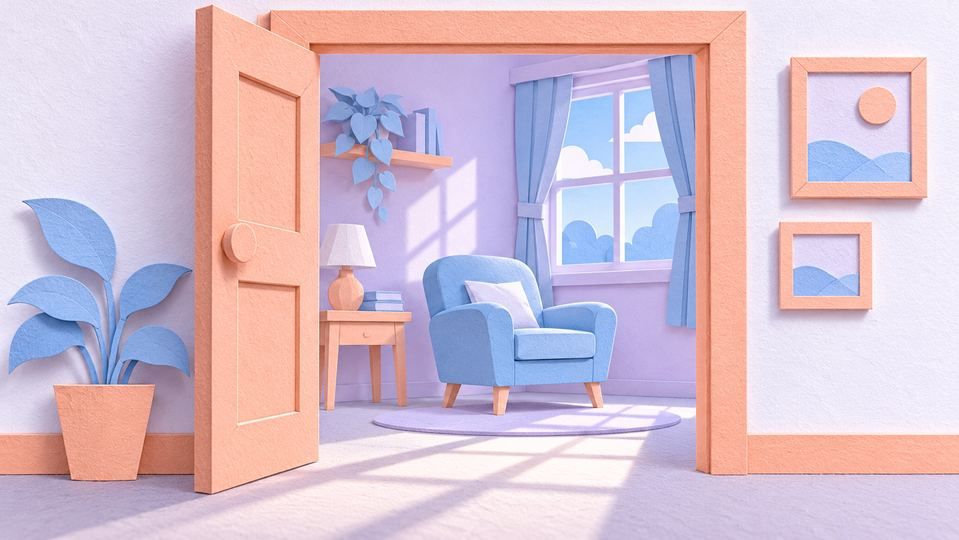
You've furnished a room down to the last lamp. Now you want someone to live in it. Do you tell that person what to do, move through the world yourself, or sit back and see whose evening they interrupt? Those are quite different games hiding under the same label.
What is a life simulation game? It's a game built around living, shaping or following a virtual life over time. Everyday activities, homes and relationships become things to play with. The key difference between games is how much you direct yourself, how much you manage for someone else, and what the characters decide on their own.
That division matters in MirrorMii, which we make: you choose Miia's outfit, while she has plans of her own. It's a useful question to bring to the whole genre.
What do you actually do in one?
A life sim makes ordinary activities worth spending game time on. You might arrange a home, follow a character's friendships, or decide how to spend a day. The satisfaction can come from choosing the next thing yourself or from seeing what happens after you've set things up.
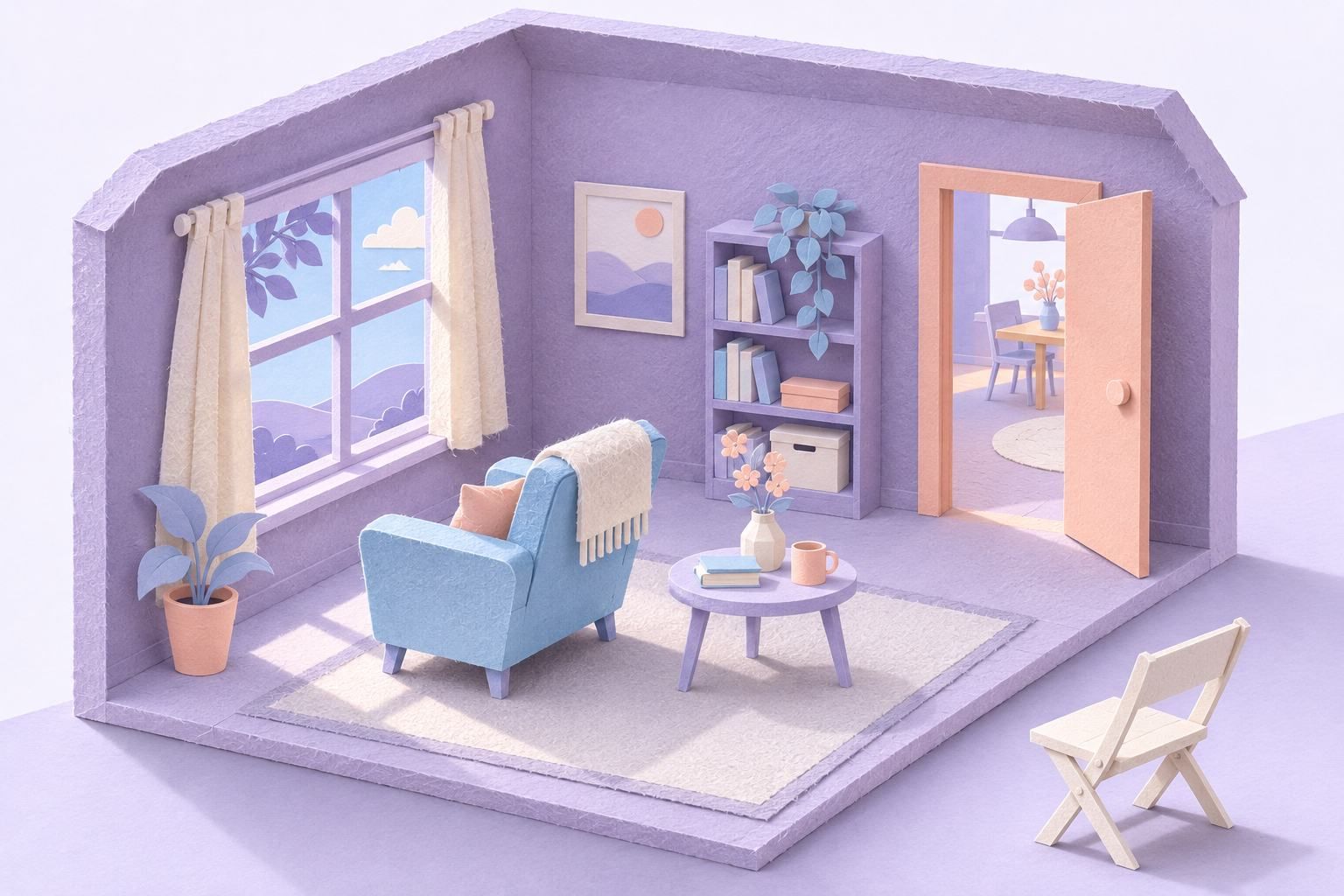
Picture a hypothetical evening in a virtual house. One player wants to move the kitchen and choose the wallpaper. Another wants their character to visit a neighbor. Someone else wants to see what the residents get up to without assigning their next conversation. A vague promise of a dream life doesn't tell these players enough.
Look for the verbs in the actual gameplay description. Build, furnish, direct and observe each promise a different use for your evening. A room full of furniture might be a building project, the setting for a story, or both. Watch what the player does once the room is finished.
If you're already looking for something to play on your phone, our iPhone life simulation guide covers specific games. This page explains the category and how to read its promises.
Are you the character or their director?
Ask what happens when a character wants to go somewhere. Do you move them there, choose a command, or discover later that they went? You don't need to know every menu to learn which kind of involvement a game asks for.
Direct control gives you a character to act through. Household management gives you people and circumstances to organize. Observation puts more of the entertainment in following the lives that unfold. These are useful ways to describe play, and a game can combine them.
Your preference can change with your mood. After an evening of making decisions, you might want a resident to surprise you. On another day, spending an hour arranging a kitchen is exactly the point. Choose by the actions you want to repeat, including the ordinary ones between the impressive trailer moments.

Why does choosing your own goal matter?
Finding a chair for a window sounds trivial until it's your room. You've spent half an hour on it because you know what you want to make, and you're almost there.
Richard Ryan of the University of Rochester and his colleagues examined game motivation in their 2006 paper, a study of game motivation. Across the first three studies, perceived autonomy and competence were associated with enjoyment and game preference. The research covered several games; it wasn't a test of life sims specifically.
For choosing a game, ask what you get to care about. Can you pursue the room, friendship or project that interests you? Do the activities you enjoy occupy a meaningful part of play? A large menu of options isn't much use if the one thing you came for sits behind hours of chores you dislike.
Try describing a satisfying session in one sentence before browsing. "I want to build a small home and see someone use it" is more revealing than "I want a relaxing game."
Where does Miia's own life begin?
MirrorMii is a game you play with moments from your real day. You can snap something for a quest and earn pieces for Miia's wardrobe. Choosing her outfit gives you something concrete to do; seeing what she does next gives you a reason to be curious.
Our design separates shaping her surroundings from writing her decisions. Miia lives her own life. You can follow her posts and read her diary, while her story remains hers. The outfit you choose doesn't mean she reenacts the moment you photographed.
For a broader comparison of game-shaped goals and recording tools, read habit trackers and habit tracker games explained.
FAQ
Is a life simulation game the same as a role-playing game?
The labels can overlap. For choosing something to play, look at what fills an ordinary session. A life sim centers virtual living, such as homes and daily activities. A role-playing game might put more weight on a character's role in an adventure. Read the actual activities instead of relying on the label alone.
Do life simulation games have an ending?
Check the individual game. A life sim might offer a story to finish, goals to complete, or room to keep playing after a major story goal. The genre label alone doesn't establish an endless world, a final chapter, or whether time continues while you're away.
Does a character acting independently mean it's a real person?
No. A fictional character making choices within a game's systems doesn't establish that another player controls them. Character independence and multiplayer are separate questions. Check what the game says about its residents and what it says about contact with real players before assuming either.
Choose her outfit. Follow her next chapter. Make looking after yourself feel like play. Join Free