Meet Miia: Who She Is and How She Lives Your Day
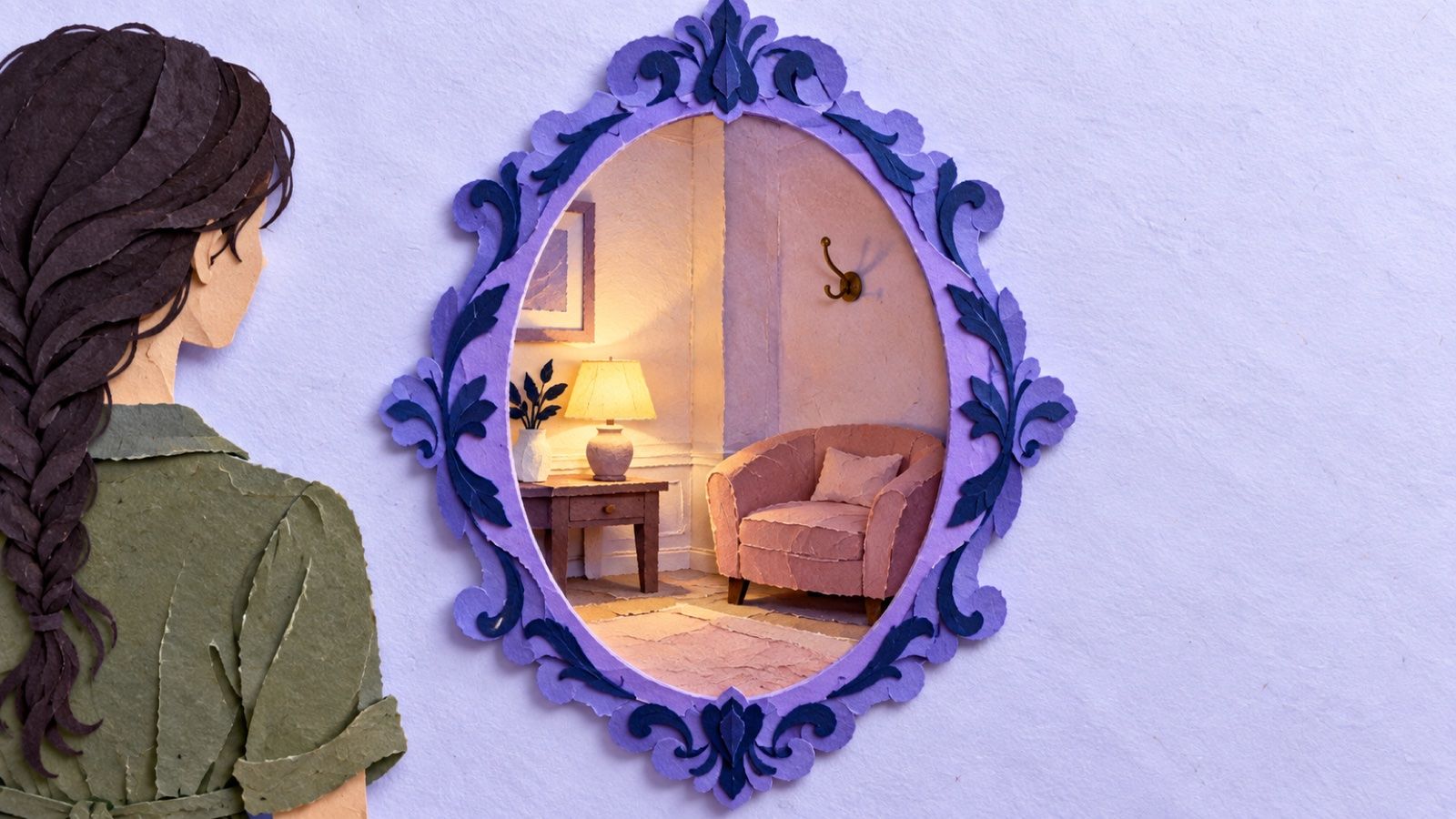
For anyone who wants a game character with a life of her own, and a small, real say in how it goes.
Picture a morning in MirrorMii 2.0. The kettle's on, and you look through the mirror before work. Miia has already gone out. You picked her outfit last night, but you didn't pick where she'd wear it. That's the bit you'll come back to find out.
That's Miia. She's your digital twin: a reflection of you who lives her own life, shaped by what you bring her. In 2.0, you watch her through the World Mirror, choose what she wears and what goes in her room, and she decides what to do with all of it, including leaving before you're up.
We make MirrorMii, the cozy game she lives in, so take this as an introduction from the people who made her. Everything below describes 2.0, the version we're building now.
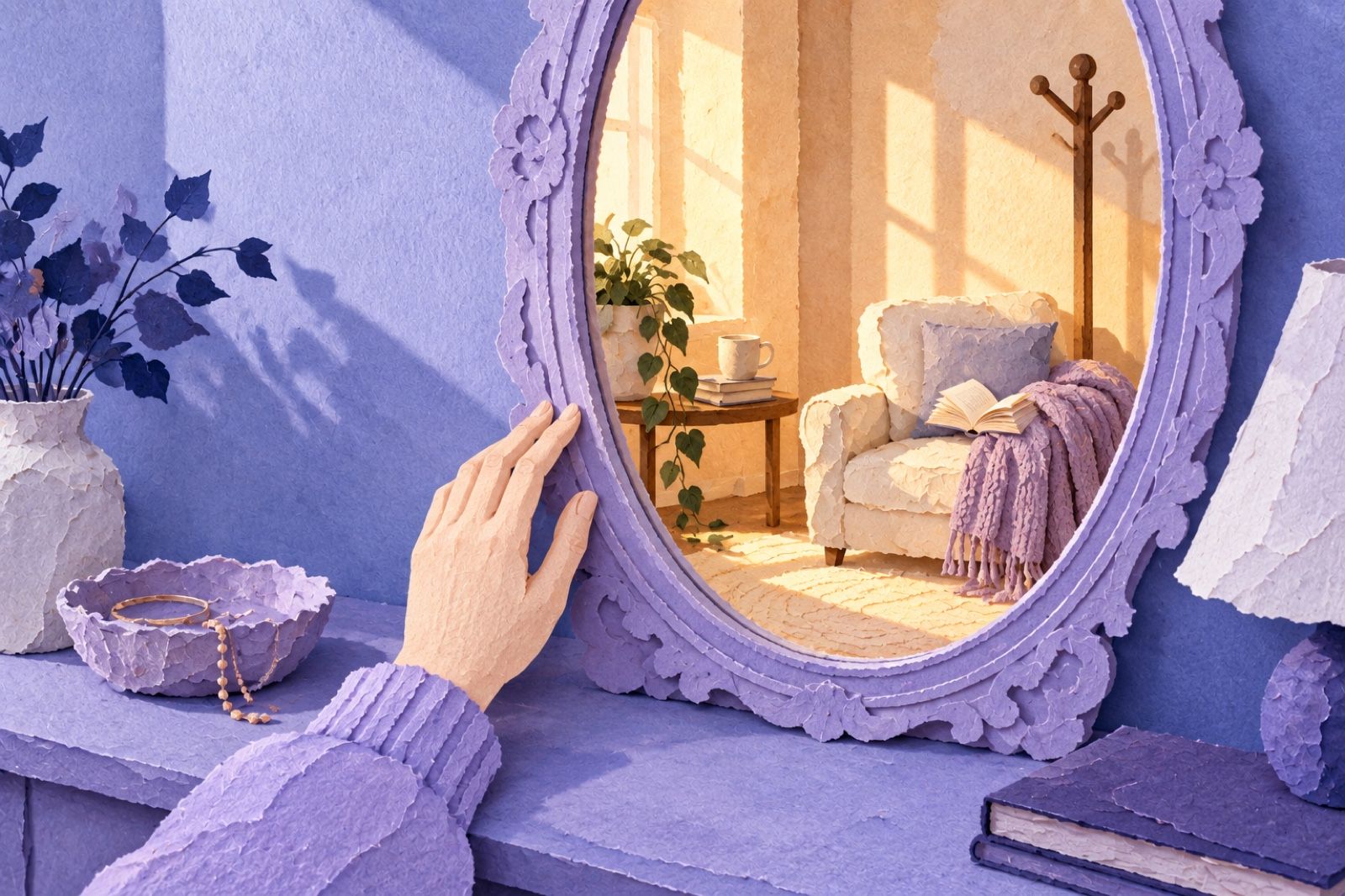
So who is she, exactly?
Miia is your digital twin: a reflection of you who lives her own life. The interesting part is where those two halves meet.
You create your Miia in your first session in 2.0. After that, real-day finds feed her world: the meal you photographed, a selfie, the walk home. A chaotic day can turn into a chaotic outfit.
That reflection still gets her own say in 2.0. You shape her conditions through what you bring, what she wears and what goes into her room. Her decisions belong to her, so the story doesn't end at the outfit you chose.
What does she do all day?
Mostly her own thing, and that's the appeal.
In 2.0, Miia has her own friends and her own drama, with other players' Miias in the mix. She keeps a diary you can read but never rewrite, so you hear how her week went the way you'd hear it from a friend over coffee: after the fact, with a couple of twists you didn't see coming.
Some days she stays in, and in 2.0 a new armchair or a record player can change what she does at home. She'll use it her own way. Other days she's out before you look, and her absence is part of her life. It's never a penalty.
You could script a character, but you'd know every line before she said it. In 2.0, Miia's diary belongs to her. You get to read it, including the parts you didn't arrange.
Game researchers have looked at what keeps play fun. In a 2006 study of why people keep playing video games, Richard Ryan and colleagues at the University of Rochester found that people enjoyed a game more, and wanted to keep playing it, when they felt free to make their own choices and felt good at what they were doing.
So the choices you get with Miia are real ones. In 2.0, you pick her outfit, and what she does in it is up to her. Your part changes her day. Her part is the reason you'll want to look.

Where do her clothes and furniture come from?
From your day, by way of a fairy godmother.
In 2.0, Genii, the fairy-godmother host of the island, posts quests and turns what you find into magic for Miia. You snap something from your real day, like a bowl of soup or a walk through the park, and it becomes a fragment. You hand it to Genii yourself, and you decide where the magic goes.
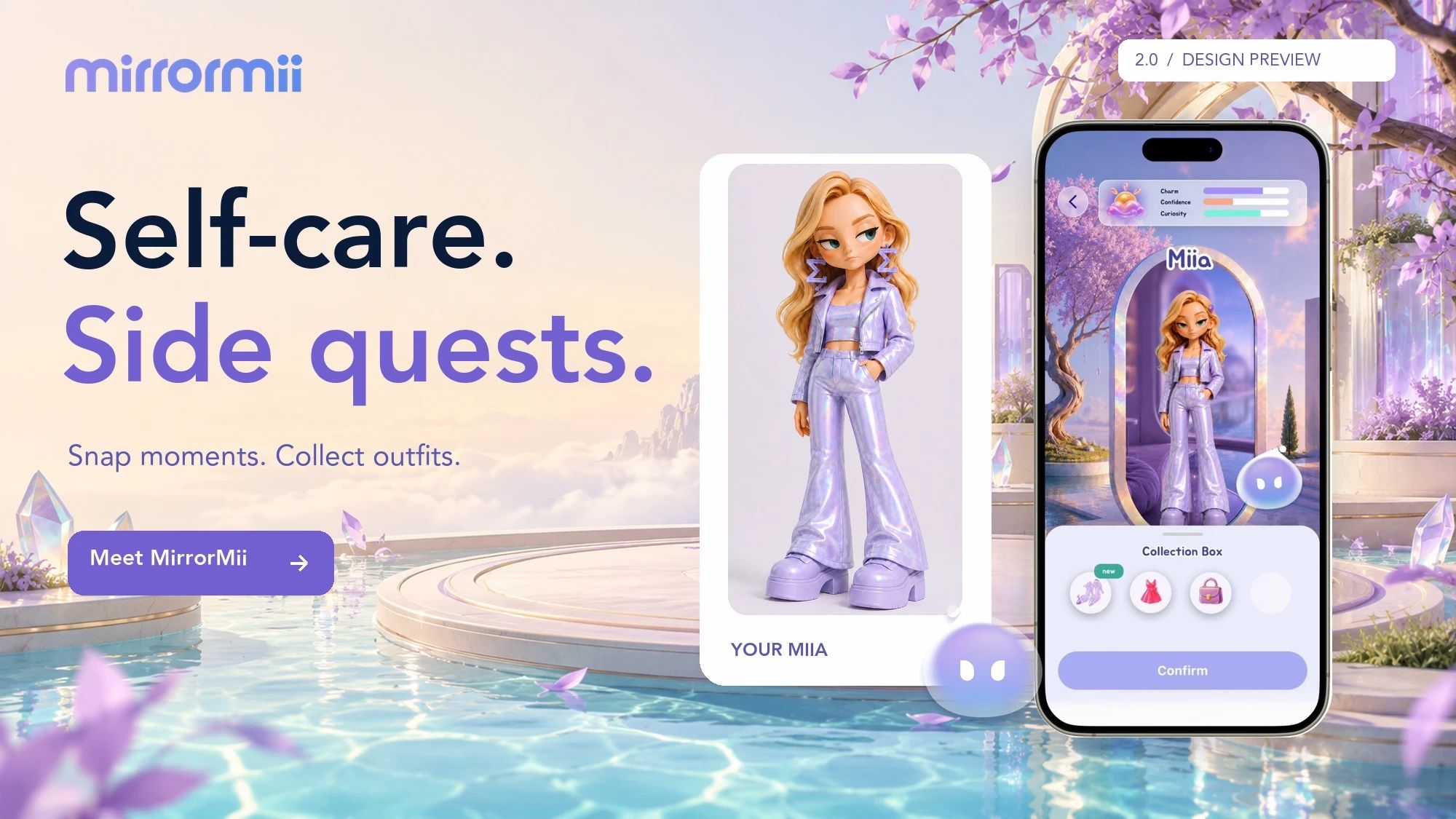
In 2.0, the Bank holds your verified, handed-over fragments until you choose to spend them. Spending on the Life Tree advances your level and the island. Using them for items gives you new things to try on Miia or send to her room. These are separate choices; growing the tree doesn't produce clothes. The whole loop is in how to play MirrorMii.
Snap it, and Miia lives it.
Is she a pet you have to keep alive?
No, and she won't make you feel bad about a quiet week.
In 2.0, Miia has her own day to get on with. You aren't keeping her alive by feeding her or sending a daily hello. She isn't a chatbot or a stand-in friend either. If what you miss is caring for a little creature, apps like Tamagotchi for adults explores that kind of play.
Take a week off and come back. In 2.0, a quest you finish stays finished, and your unspent fragments stay in the Bank. Miia might be in the mirror or out living her life; her absence isn't a penalty for yours. If the busy stretch knocked your own routine over too, here's how to get back on track without starting from zero.
Where do you meet her?
MirrorMii is a cozy game that takes the effort out of looking after yourself, and its next version, 2.0, is not out yet. That's the version Miia lives in.
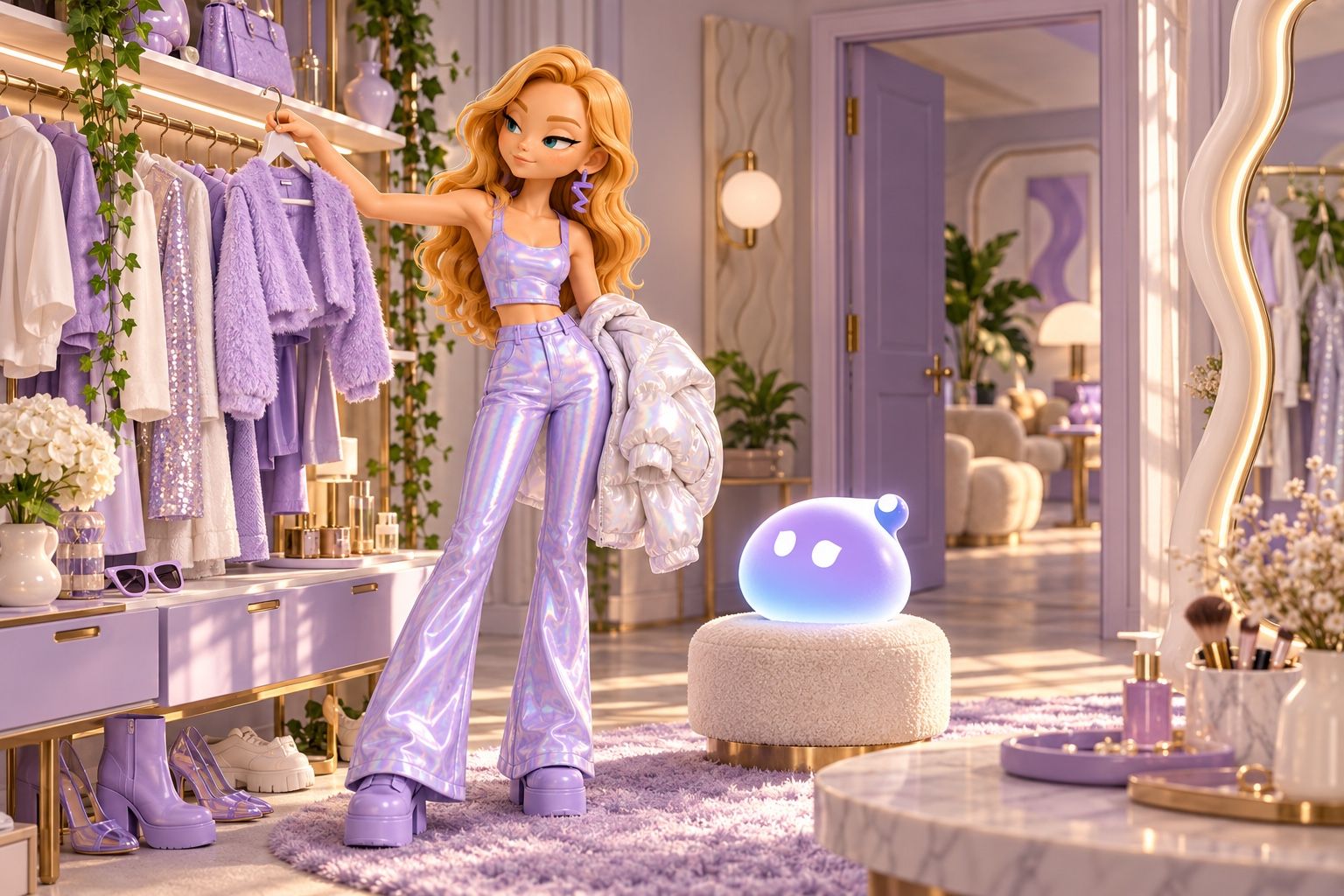
Home in 2.0 is Genii's island. The World Mirror gives you a window into Miia's room, and a separate entry lets you read what she's been doing in her world. You can preview and apply an item through the mirror; you don't walk through it.
The Bank in 2.0 shows your game resources, and the Life Tree shows your level. Those numbers describe the game, not how well you've lived your day. The reason to peek through the mirror is finding out what Miia did on Tuesday.
FAQ
Does Miia look like me?
In 2.0, you create your Miia in your first session. Her being a reflection of you means your real-day finds help shape her world; it isn't a promise that she'll look exactly like you. The mirror shows a game character and her room, never a beauty rating of your own face.
Who is Miia for?
Anyone who wants a character with a life of her own, whatever their gender. You don't need to love habit apps or play games every night. If you like checking what a character got up to while you were busy, you'll get on with her.
Can you change something after trying it on?
Yes. In 2.0, the World Mirror lets you preview an item before applying it. Cancel a try-on and Miia returns to her previous look. Once you've applied an outfit, the next decision is hers: what to do in it.
Next: how to play MirrorMii From your first snap to Miia's first new outfit, one step at a time. Read the guide